
Affordable Tree Trimming to Improve Curb Appeal
Tree shaping and pruning improve the structure of trees, encouraging healthy growth and aesthetic appeal. This process removes excess branches and guides the tree’s natural form.
Removing hazardous branches or trees reduces the risk of damage or injury caused by falling limbs. It ensures safety for property and people nearby.
Regular trimming helps prepare trees for severe weather conditions, minimizing storm-related damage and protecting property.
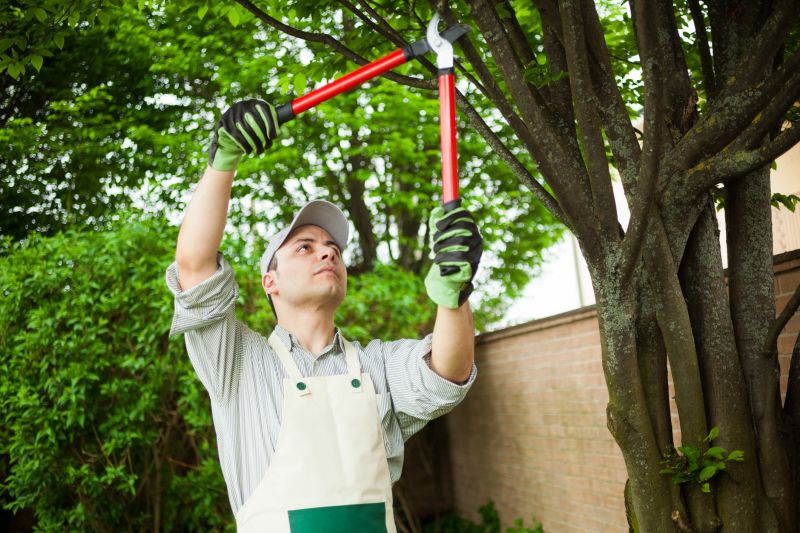
Expert pruning maintains the health and shape of trees, ensuring they grow strong and attractive.
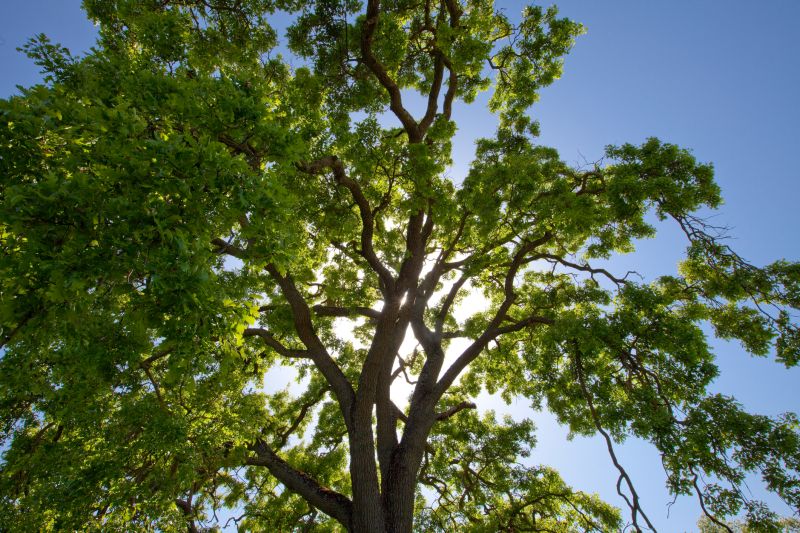
Thinning reduces density in the canopy, allowing more light to reach the ground and improving air circulation.
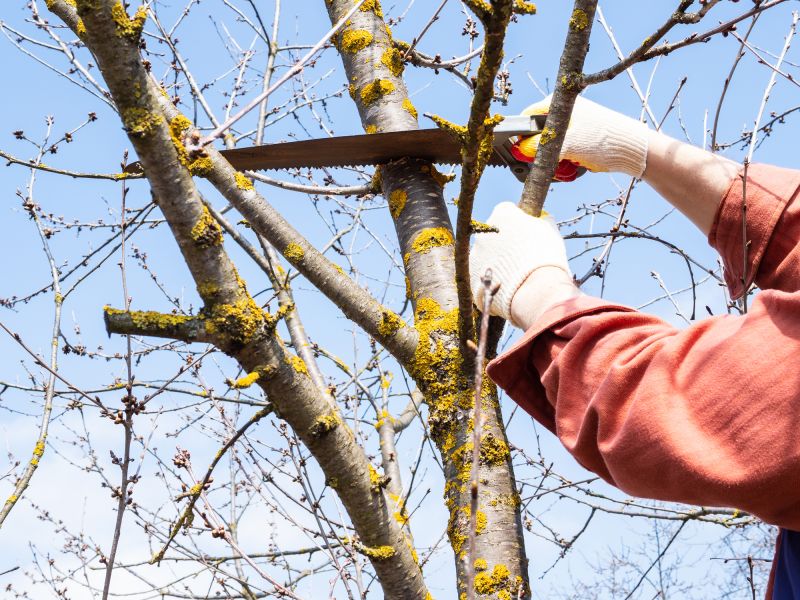
Removing dead branches prevents potential hazards and supports overall tree health.
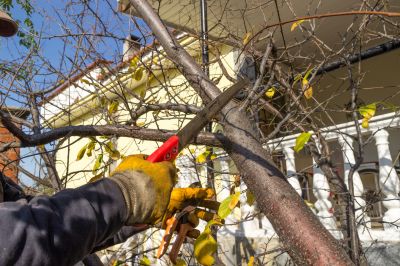
Overgrown branches are carefully trimmed to restore balance and prevent interference with structures.
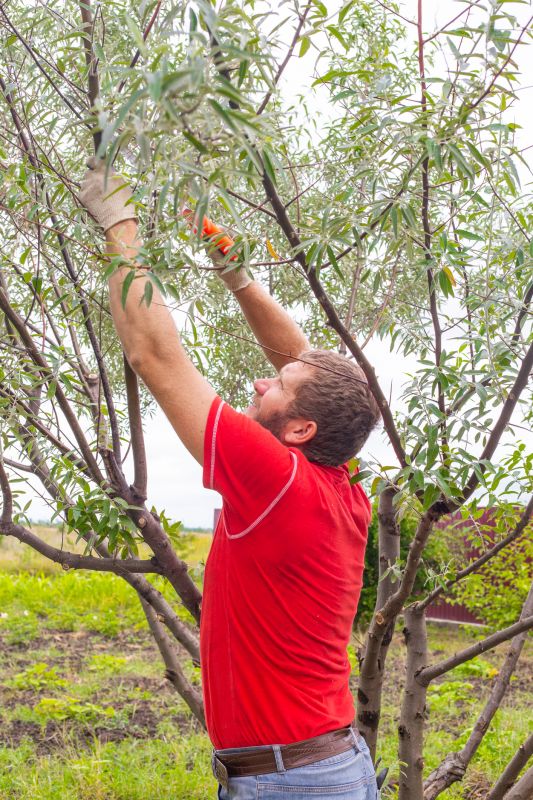
Shaping enhances the natural form of the tree, adding to landscape aesthetics.
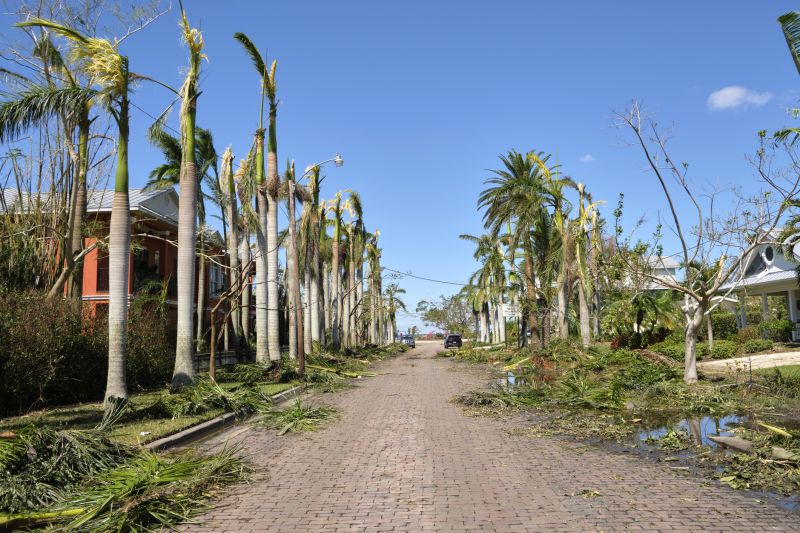
Post-storm trimming clears broken branches, reducing risk and promoting healthy regrowth.
| Benefit | Description |
|---|---|
| Improved Tree Health | Proper trimming removes diseased or damaged branches, promoting overall vitality. |
| Enhanced Safety | Removing hazardous branches reduces the risk of injury or property damage. |
| Aesthetic Appeal | Well-maintained trees contribute to the visual attractiveness of landscapes. |
| Increased Sunlight Penetration | Thinning canopy allows more light to reach the ground, benefiting grass and plants. |
| Pest and Disease Control | Pruning helps identify and eliminate pest-infested or diseased areas early. |
| Property Value | Healthy, well-shaped trees can increase the value of a property. |
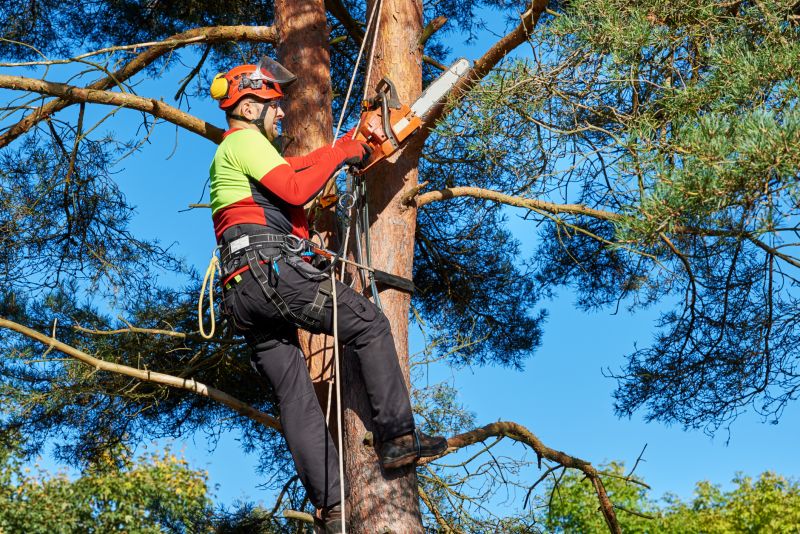
A professional arborist carefully prunes a large tree to ensure proper growth and safety.
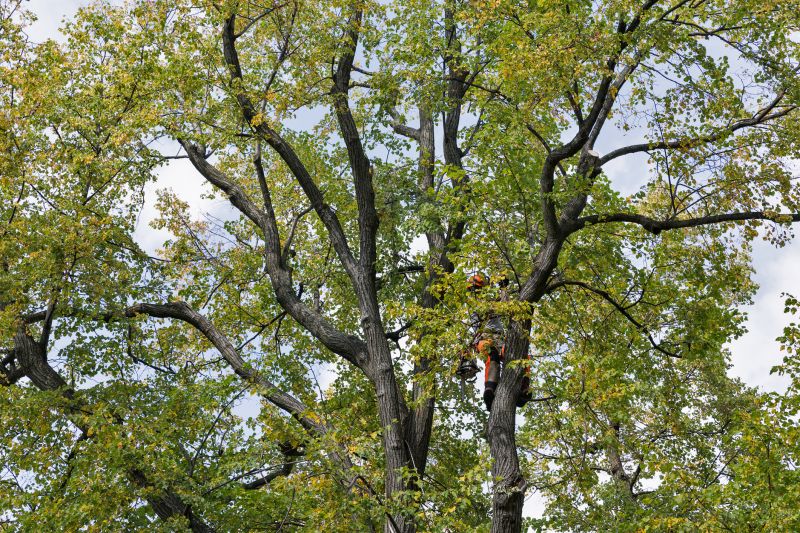
Selective thinning improves airflow and reduces weight on branches.
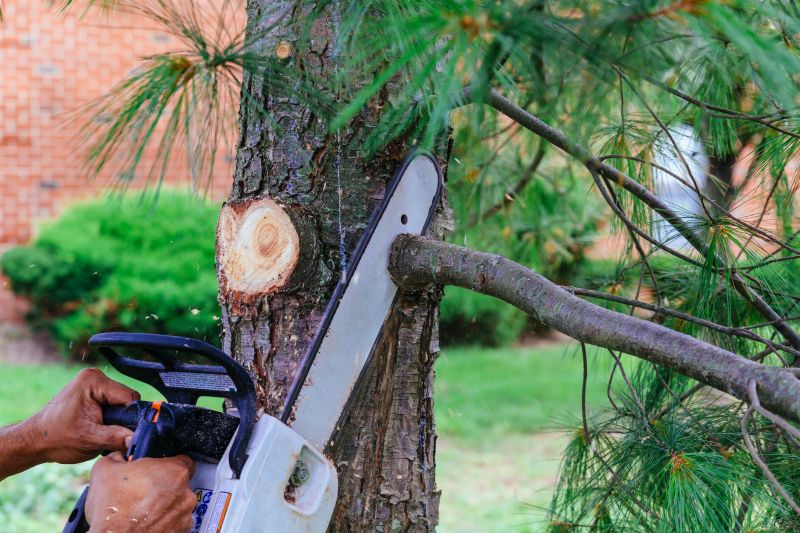
Removing dead or dying branches to prevent hazards and promote healthy growth.
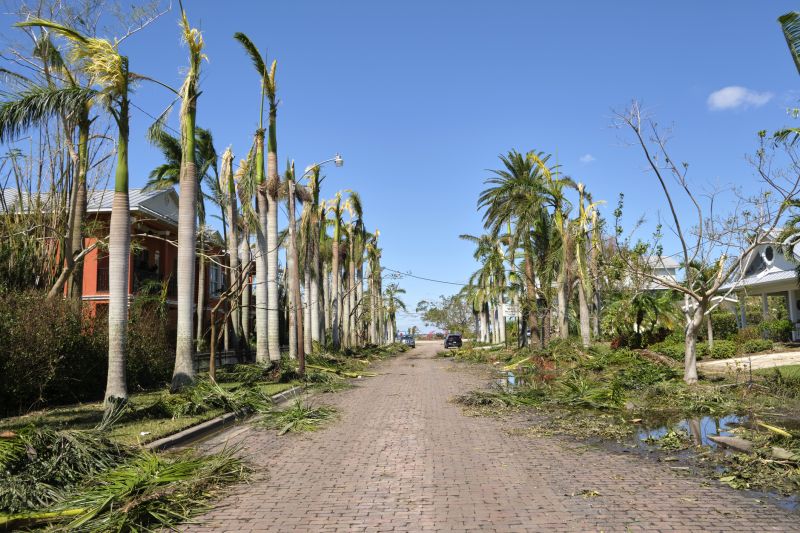
Clearing broken limbs after a storm to protect property and support tree recovery.
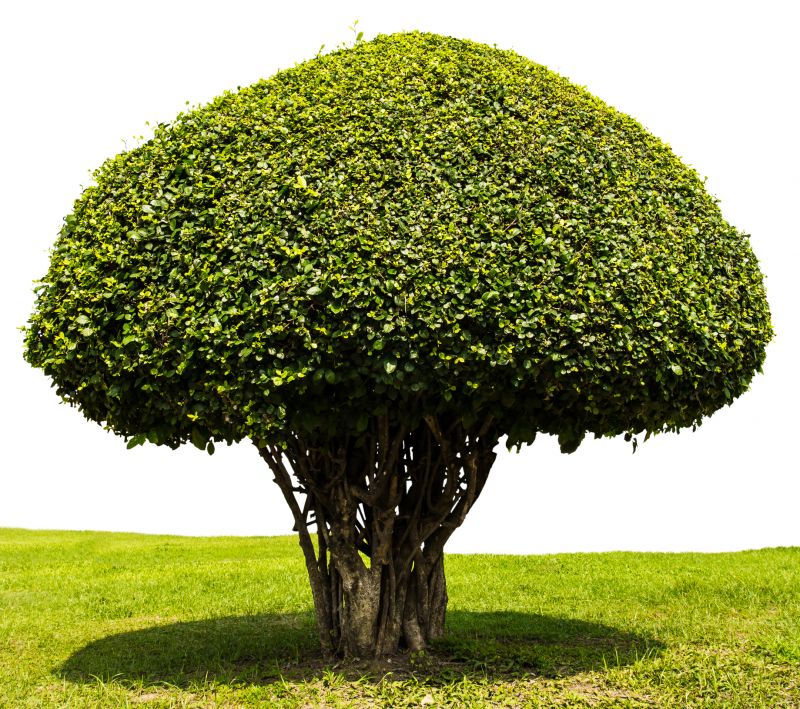
Expert shaping maintains the natural form and aesthetic of mature trees.
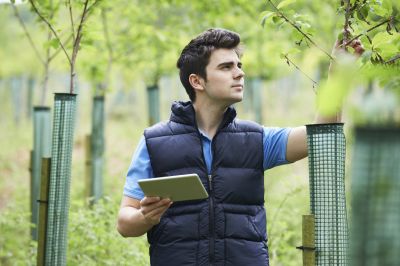
Assessing trees for signs of disease or pest infestation as part of regular maintenance.
Arborists play a vital role in maintaining the health, safety, and appearance of trees. They possess specialized knowledge and skills to assess tree conditions, diagnose problems, and recommend appropriate trimming techniques. Arborists utilize advanced tools and methods to prune trees safely and effectively, ensuring minimal stress to the tree while achieving desired results. Their expertise extends to identifying structural issues, preventing potential hazards, and providing guidance on tree care best practices. By understanding the biology and growth patterns of different species, arborists can tailor their approach to each individual tree’s needs. Their work helps preserve the natural beauty of landscapes and ensures safety for surrounding structures and people. Engaging an arborist ensures that tree trimming is performed with precision and professionalism, supporting the long-term health of trees.
Hiring an arborist offers numerous advantages, including expert assessment of tree health and structural stability. They can identify potential risks early and recommend the safest, most effective trimming methods. Arborists also have the experience to handle difficult or dangerous pruning tasks, especially with large or hard-to-reach trees. Their knowledge helps prevent unnecessary damage to trees and surrounding property, promoting sustainable growth. Additionally, professional arborists follow industry standards and safety protocols, ensuring the work is done responsibly. This expertise can extend the lifespan of trees and improve landscape safety and aesthetics. For property owners seeking reliable and precise tree trimming, engaging an arborist provides peace of mind and optimal results.
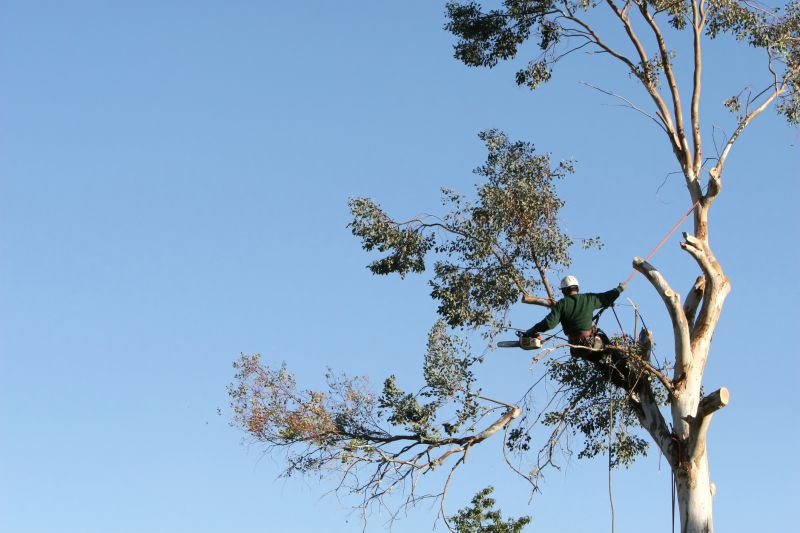
An arborist carefully climbs a tree to perform precise pruning and trimming.
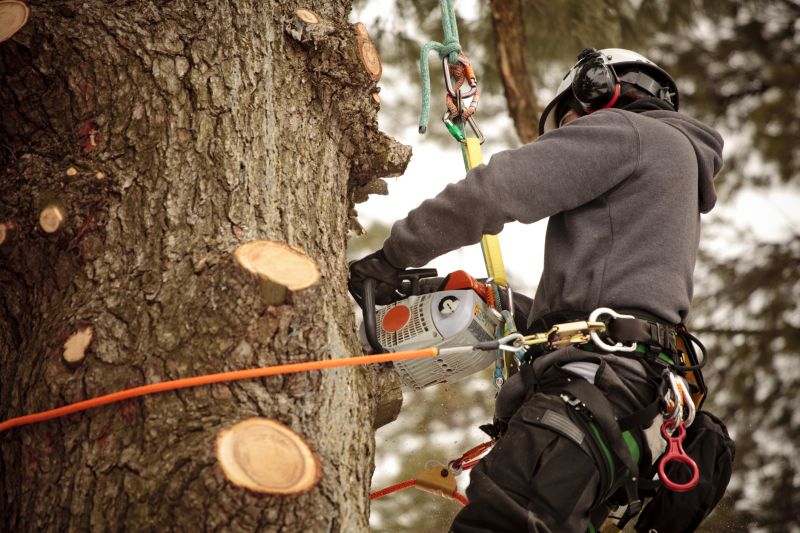
A skilled worker uses specialized tools for safe and effective trimming.
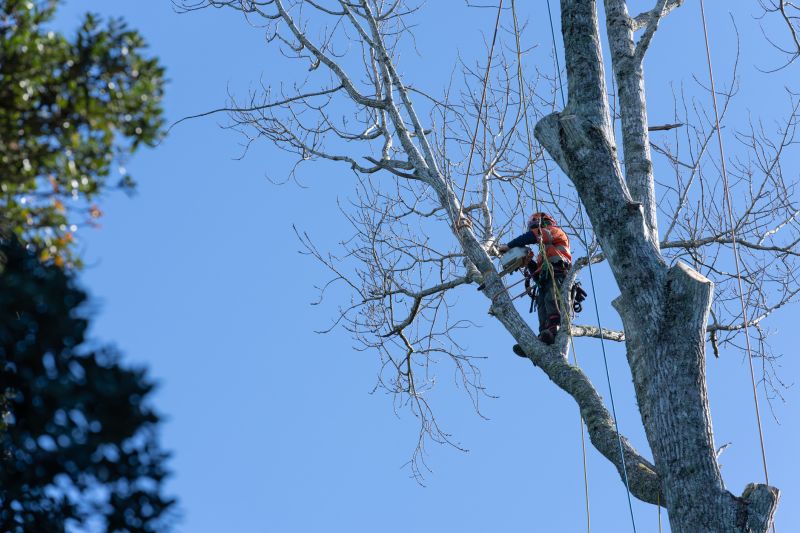
An arborist evaluates a tree’s health to determine appropriate trimming needs.
Engaging a professional arborist ensures that tree trimming is performed with expertise, safety, and care. Their advanced knowledge and experience help maintain the structural integrity and health of trees, reducing risks associated with overgrown or damaged branches. Arborists can identify early signs of disease or pest infestation, enabling timely intervention. Their work supports the aesthetic value of landscapes and can prevent costly property damage. Whether for routine maintenance or addressing specific hazards, arborists provide tailored solutions that promote long-term tree health. Employing a professional ensures compliance with safety standards and industry best practices, leading to reliable and high-quality results.